Defending Corners: Stop Easy Goals
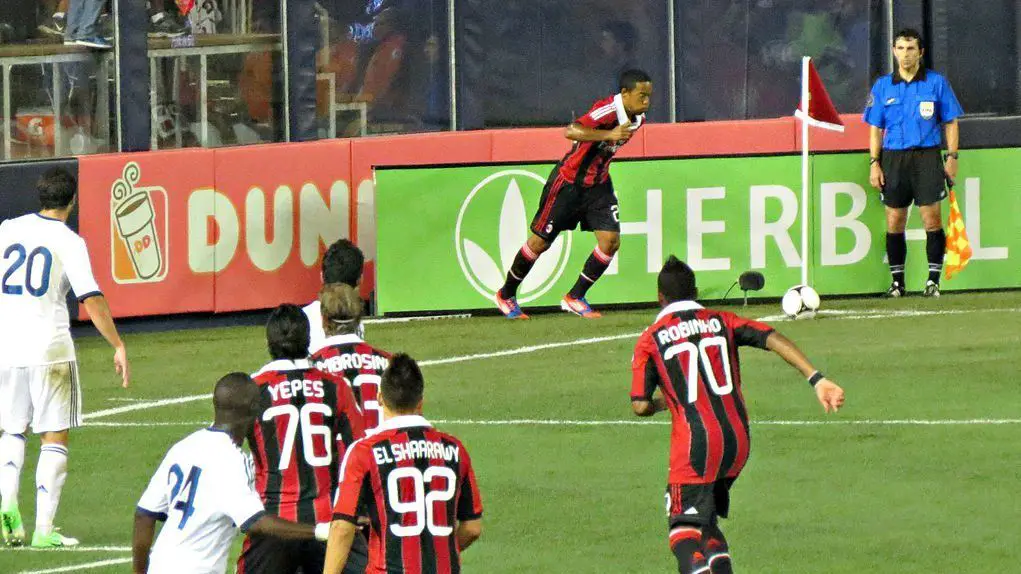

Defending corners is a key part of team defence in football. If your team loses focus during a corner, all your hard work can be undone in moments. But with good organisation, corners can become a strength.
The best part is that it does not have to be complicated. By giving everyone clear roles, staying disciplined, and following a simple plan, your team can stop giving away easy goals and handle set pieces with more confidence.
In amateur football, teams often concede from corners because they lose focus, lose track of opponents, or do not react quickly to loose balls. That is why defending corners is not just about being tall or strong in the air. It also requires organisation, communication, and smart decisions before the ball is played.
Why defending corners matters
Corner kicks are risky because attackers crowd the penalty area, shoot from close range, and create confusion. In many amateur leagues, corners account for about 20% of goals conceded. With no offside on the first pass, defenders must be alert immediately.
Good defending corners helps your team:
- Protect the six-yard box
- Limit free headers and second chances
- Give your goalkeeper clearer space to work
- Stay ready to counterattack after the clearance
If your team takes corners seriously and practices them often, you will give up fewer easy goals during the season.
The key principles of defending corners
This guide covers key principles, practical tips, common mistakes to avoid, and a simple starting setup. First, here are basic rules for defending corners:
- Stay organised and know your role before the kick is taken
- Attack the first ball whenever possible
- Stay touch-tight to dangerous opponents
- Protect the goal and central areas first
- React fast after the first clearance
These rules work whether your team plays man-to-man, uses zones, or mixes both.
Tips for defending corners
Avoid corner kicks when possible.
Many teams give away avoidable corners. Goalkeepers should catch the ball rather than tip it over the bar when possible. Defenders should direct tackles toward the sideline, not the goal line.
You cannot avoid every corner, but making better choices can cut down how often you have to defend them.
Place a defender on one or both posts
Putting a defender on the near post, or on both posts, makes it harder for attackers to score. These players can block shots that squeeze past the goalkeeper and cover difficult-to-reach areas in a scramble. The near post, in particular, is where many quick, low corners are aimed. By placing someone there, you stop these dangerous deliveries before they can turn into tap-in goals.
Some coaches like to cover just the near post, while others use both. The best choice depends on your goalkeeper’s preferences and the players you have. Tall players who can read the ball well are especially useful on the posts.
Match players by size and aerial ability
It makes sense to put your skyscrapers—your tallest, strongest players in the air—against the other team’s biggest threats. Picture the clash: your giants picking up their giants at every corner. Never leave your best headers unmarked while the opposition’s tall attackers get a free run at the goal. Whether you use man-to-man or a mixed system, these matchups are important. Discuss them before the game so everyone knows exactly who they are marking.
Stay close to your mark
When you are marking, stay close enough to sense your opponent’s movement. If you stand too far away, they can attack the ball with more speed.
A simple rule is to stay close enough so you can react right away if your opponent tries to spin, block, or make a late run.
Do not let the ball bounce in the box
Letting the ball bounce in a crowded penalty area is one of the worst things that can happen when defending corners. If it does, the attacking team gets time to react, fight for rebounds, and create more chances.
If you cannot make a safe pass, keep it simple. Clear the danger first and get the ball away from your goal.
Stay on the goal side of the attacker
Your body position matters. Always place yourself between the attacker and the goal. Stay balanced to react to both the player and the ball.
When defending corners, small details in your body positioning can be the difference between winning the ball and being too late.
Stand at an angle so you can see both the ball and your player
If you watch only the ball, you might lose track of your opponent. If you focus only on the attacker, you could react too late. The best way is to stand half-turned so you can see both.
This is one of the easiest habits to teach, and it makes defending corners a lot easier.
Push out after the first clearance
After you clear the first cross, the whole defence should move out together. Once the first ball is gone, the offside rule comes back into play. Stepping out quickly pushes attackers away from your goal and lowers the risk of second chances.
Everyone needs to move out together. If some defenders stay back while others push up, you might play attackers onside and cause confusion.
Leave attacking players higher up the pitch
Bringing everyone back invites pressure. Leaving one or two attackers up forces the opposition to keep players back and provides a counterattack option. There is a trade-off: fewer defenders in the box, but more chances to counter. Coaches must weigh this risk and reward—leaving players forward slightly increases corner risk but enhances scoring opportunities.
This works especially well for amateur teams. If the other team sees you have players ready to counterattack, they might send fewer players forward.
Leave one player near the corner taker
Having a player near the corner taker stops an easy short corner and lets you close down quickly. This role is often overlooked but is very important for defending corners.
If you do not put pressure on the corner taker, the attacking team can get a better angle for their cross or force your defenders to move quickly.
Choose your corner-defending strategy before the match
Do not wait until the game has started to decide how to defend corners. Make sure your players know the plan in advance.
The two main options are:
- Man-to-man marking: each defender marks an opponent
- Zonal marking: defenders protect specific areas
- Mixed marking: some defenders hold zones while others track the main aerial threats
Most teams use a mixed system because it balances structure and marking. The best option depends on your players, your goalkeeper, and what you can practice regularly.
Common mistakes when defending corners
Even well-organised teams can make mistakes that are easy to avoid. Here are some of the most common problems to watch for:
- Ball watching instead of tracking runners
- Leaving too much space between the defender and the attacker
- Failing to protect the near-post area
- Not assigning a player to deal with the short corner
- Getting the ball to bounce inside the box
- ushing out too slowly after the first clearance
- ending every player back and removing any counterattacking threat
If your team repeatedly allows goals from corners, these issues might be the cause. Use this list after games: ask, “Which mistakes occurred today? Did any lead to goals?” Getting players to identify patterns builds good habits and ownership of improvement.
A simple corner-defending setup
If you coach an adult amateur team and need a practical place to start, a simple mixed system usually works well. You can try this basic setup:
- One player on the near post
- One player is protecting the central six-yard area
- One or two strong headers marking the opposition’s main aerial threats
- One player is positioned to stop the short corner
- One or two players are left higher up the pitch for the counterattack
This setup protects key areas while allowing you to closely mark the main threats. It’s easier to coach than a full zonal system, especially if your team practices set pieces less often.
The main thing is not to copy a system without thinking. Choose a setup that fits your goalkeeper, your defenders, and the level your team plays at.
Final thoughts on defending corners
Defending corners is not just about winning headers. It takes good organisation, focus, positioning, and the ability to react to both the first and second balls. Teams that defend corners well have one thing in common: every player knows and sticks to the plan.
You do not need a complex system. Start simple, practice often, and ensure each player understands their role. With time, defending corners will become natural, and your team will give up fewer easy goals.
To see these ideas in action, watch the video below. It explains zonal defending, mixed marking, and how to set up a counterattack after clearing the ball.
Train these details regularly, and defending corners will become a strength instead of a weakness.
For more practical football coaching tips, take action now: share this post with your team, use the strategies in your next training session, and subscribe to our newsletter for exclusive coaching content delivered to your inbox. Commit to better defending and watch your team’s results improve!
Related Posts
Football Strength and Conditioning: 10 Key Areas
A pillar guide explaining football strength and conditioning and the key physical areas players must train to perform consistently and reduce injury risk.
Football Formations suitable for amateur teams
A key aspect to consider is which football formations will suit your team. This post discusses what makes a formation easy to implement.

Tactical awareness in football - Tips to develop it
Learn how to develop your tactical awareness in football. This post discusses tips for developing it to have a winning edge on the pitch.